From Specialist to Strategist: How to Level Up in Your Career

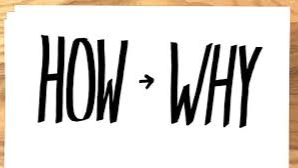
In the early stages of your career, your value often comes from specialized expertise - your ability to execute specific tasks with precision. Whether you’re a developer, marketer, designer, or analyst, being “the go-to” for a certain skill gets you in the door and helps you build credibility.
But as you grow, there comes a point when simply being a specialist isn’t enough to propel you forward. To reach senior, leadership, or decision-making roles, you need to make the shift from specialist to strategist.
Specialist vs. Strategist: The Key Difference
- Specialist: Focuses on doing the work - solving specific problems with deep technical or functional knowledge.
- Strategist: Focuses on shaping the work - identifying the right problems to solve, aligning efforts with long-term goals, and influencing the bigger picture.
The strategist still understands the details, but they operate at a higher altitude, connecting individual contributions to organizational outcomes.
Why the Shift Matters
- Greater Influence – Strategists are trusted advisors who influence direction, not just delivery.
- Career Mobility – Senior and leadership roles demand the ability to think long-term and navigate complexity.
- Broader Impact – Instead of impacting one project at a time, you guide initiatives that shape the entire organization.
How to Make the Shift from Specialist to Strategist
1. Understand the Business Beyond Your Role
Don’t just know what you do - understand why it matters. Learn:
- How your company makes money
- Who the customers are
- What market trends are shaping the industry
This context allows you to make decisions that align with business priorities.
2. Ask Bigger Questions
Strategists aren’t satisfied with Can we do this? They ask:
- Should we do this?
- What’s the impact if we don’t?
- How does this fit into our long-term vision?
Asking better questions elevates you from executor to decision-maker.
3. Prioritize Impact Over Activity
Specialists often measure success by output—how much they complete. Strategists focus on outcomes - how much value they create. Practice evaluating your work by its contribution to broader goals.
4. Build Cross-Functional Relationships
Get out of your silo. Collaborate with other teams to understand their challenges and perspectives. Strategists excel at seeing connections between disciplines and finding win-win solutions.
5. Seek Mentorship and Feedback
Work with leaders who already operate strategically. Platforms like Accomplishr make it easy to connect with experienced professionals who can share frameworks, decision-making approaches, and leadership insights.
Final Thought
The transition from specialist to strategist doesn’t happen overnight—it’s a deliberate process of expanding your perspective, building influence, and thinking in terms of why and what next, not just how.
So, the next time you approach a task, zoom out. Ask yourself: How does this decision move the bigger picture forward? That’s the mindset shift that can transform your career trajectory.


