Orthopedists (aka Bone Specialists)

Published on
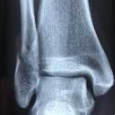
Accidents happen. Movies and tv shows often depict scenes where a team of doctors rush into the emergency room to evaluate an injured patient. One of these doctors, an orthopedist, stabilizes the patient’s broken bones. In a "real world" scenario, a bone fracture may occur while playing sports or as the result of a fall. Here is why seeing an orthopedist may be helpful for your recovery.
What Is An Orthopedist?
An orthopedist is a doctor who specializes in bones, joints, and muscles. Essentially, they evaluate and treat any problem that affects the skeletal system. Flexible bands of connective tissue, called tendons, attach muscles to the bones. Ligaments, which have less flexibility, hold the bones of joints together (i.e. knee, elbow). Intervertebral discs separate and cushion the bones of the spine. When any of these skeletal components are injured, an orthopedist is the doctor to see.
This specialist receives training in general orthopedics for five years after completing four years of medical school. For special interests such as trauma or sports medicine, an additional year of training is required. After medical licensure, most orthopedic doctors choose to become board certified; this certification is maintained throughout their years of practice. While some orthopedists spend most of their time in the operating room, others focus their practice on non-surgical treatments.
Why Should You See An Orthopedist?
Following an accident, injuries must be acutely treated, and rehabilitation may be necessary to regain normal function. Accidents such as a toddler’s femur fracture while in a walker or an athlete’s ACL tear during a soccer tournament both benefit from the care of an orthopedist. Stabilization of the injured area prevents further damage to the bones, ligaments, and tendons, and protects nearby blood vessels and nerves. Pain control, an integral part of the healing process, is often managed by an orthopedist. He or she also coordinates the rehabilitation team which may include neurologists, physiatrists, acupuncturists, and physical or occupational therapists.
The Orthopedic Office Visit
Before the day of your visit, it is helpful to collect and bring all pertinent medical records. This information, along with the history you provide, helps the orthopedist to understand the full scope of your injuries. You should wear clothing that allows the areas of concern to be fully examined. During your physical exam, the orthopedist will check for swelling, pain, range of motion, strength, and degree of impairment resulting from your injury.
For many injuries, additional information is gained from imaging. Many orthopedists have x-ray equipment within their office suites. Bone concerns are easily viewed on an x-ray, but muscle, ligament, and tendon injuries are not. If the latter are suspected, your doctor will most likely order a magnetic resonance imaging test. An MRI is typically scheduled at an outpatient facility or hospital, and may require you to be sedated. It is, therefore, unlikely to occur during your first orthopedic visit unless there is an urgent need. This type of imaging can distinguish a ligament strain from a tear, for example. Because of the high quality of the images, it is typically ordered prior to any plans for surgery.
Non-Surgical Treatment
The primary goal of orthopedic care is injury stabilization and pain management. For example, an orthopedist may need to re-align the bones that are misaligned due to a fracture. When the skin and muscles are intact, a closed reduction is done. This is followed by placing the arm within a splint or cast, worn for several weeks, until the bones heal. Alternatively, a device called a cam walker boot is used for simple ankle fractures or severe sprains. It stabilizes the bones during the healing process, while allowing for some amount of mobility and weight bearing. Certain fractures, such as those of the clavicle, only require the use of an arm sling instead of more intensive immobilization.
Physical therapy is an important component of orthopedic care. Many back muscle strains and even minor herniated discs can be managed with this modality. It is often the first choice of treatment for joint injuries involving the knee, elbow, or shoulder. Physical therapy can both reduce pain and improve mobility.
There is an increasing effort to reduce the use of habit-forming medications to treat pain. Mild to moderate pain can be managed with over-the-counter acetaminophen and ibuprofen. For more bothersome pain, your orthopedist may prescribe a higher dose non-steroidal anti-inflammatory medication or a topical pain reliever. Muscle relaxants may be helpful for muscle spasms, and gabapentin can reduce pain from injured nerves. Opioid medications are typically avoided, and reserved for the initial management of post-operative pain.
When Surgery Is The Only Option
Surgical treatment may be necessary for more complicated injuries that include tears of ligaments, tendons, and muscles. Without surgical intervention, these injured areas will heal poorly and likely result in permanent disability. Metal pins or other implantable hardware may be needed to stabilize bone fragments. Blood vessels and nerves may need repair in addition to any torn ligaments or tendons. Complicated injuries may require the expertise of a more specialized orthopedic surgeon.


