Personal Branding for Techies: How to Stand Out Online

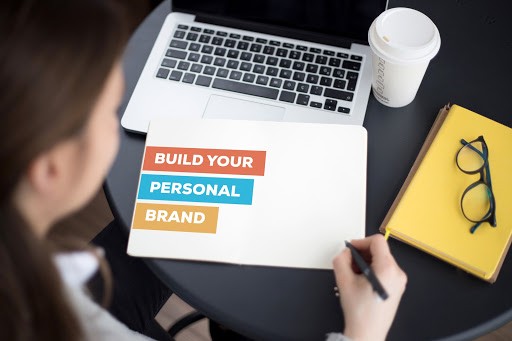
In the competitive world of technology, building a strong personal brand is no longer optional—it’s essential. Whether you’re a software engineer, data scientist, UX designer, or IT specialist, your personal brand can open doors to exciting opportunities, establish your credibility, and set you apart in a crowded field. Here’s how tech professionals can create a standout online presence.
Why Personal Branding Matters
Personal branding is about showcasing your unique skills, expertise, and values in a way that resonates with your target audience. Here’s why it’s important:
- Career Opportunities: Recruiters and employers often look online to assess potential candidates.
- Networking: A strong online presence helps you connect with like-minded professionals and industry leaders.
- Thought Leadership: Sharing insights and experiences positions you as an expert in your field.
- Freelancing and Consulting: A compelling brand can attract clients and projects.
Steps to Build Your Personal Brand
1. Define Your Niche and Audience
Identify what makes you unique. Ask yourself:
- What are your core skills and expertise?
- Which industry problems do you solve?
- Who is your target audience—hiring managers, peers, or clients?
2. Create a Professional Online Presence
Your online profiles are the foundation of your personal brand. Focus on:
- LinkedIn: Optimize your profile with a professional photo, headline, and summary that highlights your expertise and achievements.
- GitHub: Showcase your coding projects, contributions, and repositories.
- Portfolio Website: Build a personal website that displays your work, resume, and blog posts.
- Social Media: Use platforms like Twitter or Mastodon to share insights, engage in discussions, and follow industry trends.
3. Share Your Expertise
Content creation is a powerful way to establish authority. Consider:
- Writing blog posts or articles on topics you’re passionate about.
- Creating tutorial videos or coding walkthroughs.
- Speaking at webinars, conferences, or podcasts.
- Sharing quick insights or resources on social media.
4. Engage With the Community
Building a network involves more than just posting content. Actively participate by:
- Commenting on and sharing others’ posts.
- Joining tech communities on platforms like Stack Overflow, Reddit, or Discord.
- Collaborating on open-source projects.
5. Leverage Mentorship Platforms
Programs like Accomplishr connect tech professionals with mentors who can provide guidance on personal branding and career growth. Engaging with mentors can help you refine your brand and build a stronger network.
6. Stay Consistent and Authentic
Consistency is key to building trust. Use the same professional tone, visuals, and messaging across all platforms. Be authentic—your personal brand should reflect who you truly are.
Common Pitfalls to Avoid
- Neglecting Online Profiles: Outdated or incomplete profiles can harm your credibility.
- Being Too Generic: Focus on your unique skills rather than trying to appeal to everyone.
- Over-Promising: Be honest about your expertise and experience.
- Ignoring Analytics: Use tools like LinkedIn analytics or website metrics to understand what resonates with your audience.
Success Stories: Inspiring Tech Personal Brands
- Developers: Many tech professionals have landed dream jobs by showcasing unique projects on GitHub or blogging about industry trends.
- Designers: UX designers use platforms like Behance and Dribbble to attract clients and employers.
- Thought Leaders: Professionals who share actionable insights on LinkedIn or Medium often grow a following and gain recognition.
Conclusion
Personal branding is a powerful tool for tech professionals looking to stand out online. By defining your niche, showcasing your expertise, engaging with the community, and leveraging platforms like Accomplishr, you can create a compelling and authentic brand. Start today, and watch as your online presence transforms into a gateway to new opportunities and growth.

This subscription is no longer available
Cynthia Doer is not currently accepting new subscribers.
You can still enjoy any free blogs they share, but premium content is now unavailable for new subscriptions.


