The Power of Polished Intercultural Communication Skills

Published on
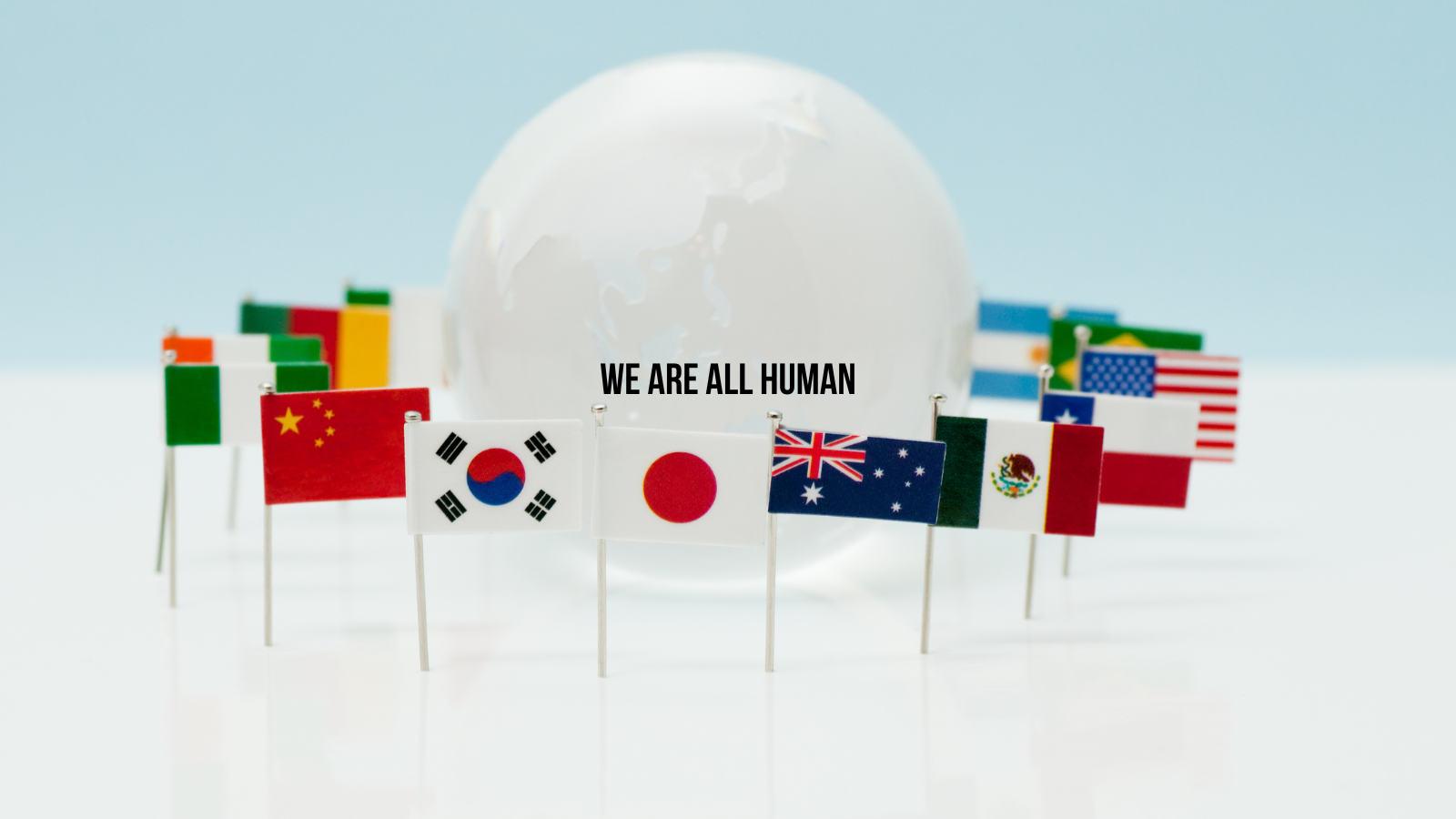
The world is more interconnected than ever, and the ability to communicate across cultures is no longer just a nice skill to have- it’s absolutely essential in so many areas of our lives. Whether in business, education, travel, or everyday interactions, having highly-polished intercultural communication is a game-changer.
I’ve spent years engaging with people from different cultures, working across borders, and pushing myself into environments where effective communication was the difference between success and failure. What I’ve learned is this: the better you are at understanding and adapting to different cultural perspectives, the more doors open for you. And the more doors that open, the more chances you have at success and satisfaction.
What Is Intercultural Communication, Anyway?
Intercultural communication is the ability to exchange ideas, build relationships, and work effectively with people from different cultural backgrounds. It’s not just about language... it's much more than that. It’s about understanding the deeper layers of culture, including:
- Values and beliefs: What people prioritize in life, work, and relationships
- Social norms: What’s considered polite or rude in different cultures
- Communication styles: Direct vs. indirect, expressive vs. reserved
- Problem-solving approaches: How conflict, leadership, and decision-making differ across cultures
Mastering intercultural communication means being able to navigate these differences smoothly, without friction or misunderstanding. Avoiding friction and misunderstanding means you save time (and time is money!)
Do I Develop Strong Intercultural Communication Skills?
Anyone can learn to communicate better across cultures. It just takes awareness, adaptability, and a willingness to step outside your comfort zone.
1. Listen More Than You Speak
Effective communication starts with listening. Pay attention to not just what people say, but how they say it. In some cultures, silence is a sign of thoughtfulness; in others, it may signal hesitation or discomfort. Just because you're used to constant chatter and feel safe with that, doesn't mean other people feel the same way. Understanding this will allow you to navigate meetings and network with fewer issues.
2. Learn Cultural Contexts
You don’t need to be an expert in every culture, but do your homework when engaging with people from different backgrounds. A little effort goes a long way- whether it’s understanding a country’s history, religious customs, or business etiquette. Think about your target market, or the people you'll be working closely with. Where are they from? What culture shapes their ways of life and communication styles?
3. Adapt Your Communication Style
Some cultures value directness, while others prefer a more indirect approach. Learning when to be straightforward and when to be more diplomatic can mean the difference between a productive conversation and a lost opportunity. Being able to adjust your approach to varying communication styles will help you avoid disappointment, anxiety, or even disaster.
4. Recognize and Manage Bias
We all carry subconscious biases based on our own cultural experiences. The key is recognizing them and staying open-minded. The way you’ve always done things isn’t necessarily the “right” way- it’s just one way. In fact, challenging your biases allows you to new ideas, new processes, and new markets. Your success depends on identifying your own biases and allowing yourself to look past them.
5. Be Curious and Open-Minded
Ask questions. Show interest. People appreciate when you genuinely want to learn about their culture. It builds trust and deepens relationships. Every culture, every person, has something interesting about them, but you might not see it at first glance. Train yourself to look with open eyes and allow your curiosity to guide you.
6. Develop Emotional Intelligence
Intercultural interactions can sometimes lead to misunderstandings. The ability to read the room, regulate your emotions, and respond with empathy makes a huge difference in how well you connect with others. Don't jump to taking offense; it's not helpful, productive, or important. What's important is understanding that controlling your emotions in a healthy way will open doors for you and earn your respect with the people around you.
Why Intercultural Communication Is a Superpower
1. It Gives You a Competitive Edge
Whether you’re leading a team, negotiating a deal, or expanding a business, the ability to work effectively with diverse groups makes you indispensable. Companies and leaders who excel in intercultural communication have a massive advantage in today’s globalized world.
2. It Builds Stronger Relationships
People appreciate when you take the time to understand their perspective. Strong relationships, whether personal or professional, are built on mutual respect, understanding, and effective communication.
3. It Opens Up More Opportunities
The more adaptable and culturally aware you are, the more opportunities come your way. You’re able to travel, work with international teams, build diverse networks, and navigate complex social situations with ease.
4. It Helps You Handle Conflict Like a Pro
Misunderstandings happen! It's part of being human! But people who are skilled in intercultural communication know how to de-escalate situations, clarify intent, and find common ground- an invaluable skill in any setting.
5. It Makes You More Resilient and Adaptable
Interacting with different cultures pushes you out of your comfort zone. You learn to think on your feet, adjust quickly, and handle uncertainty with confidence- all traits of highly successful people.
The Bottom Line
Intercultural communication isn’t just about speaking different languages or knowing a few cultural customs. It’s about understanding people on a deeper level, adapting your approach, and building real connections.
If you can master it, you’ll not only set yourself up for success, but you’ll also gain something even more valuable... a richer, more expansive view of the world and the people in it.


