What You Should Know About Store Bought Baby Food

Published on
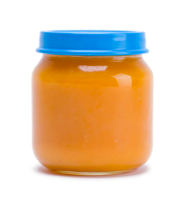
So Many Baby Food Options!
Since “baby vegetable soup” was introduced in the early 1900s, the infant and toddler food industry has surpassed the expectations of its manufacturer and others. Today, designated store aisles and freezer sections display a variety of options to fit any family’s dietary preference and budget. Some communities even enjoy subscription delivery services for baby food. Commonly purchased items include infant cereals, single food jars, combination food pouches, finger foods, and snacks. Even parents who regularly prepare homemade baby food may occasionally prefer the convenience of store bought items. These foods are also helpful for parents who rarely cook at home, or have limited access to fresh food markets. When choosing to buy baby food, parents assume that it is healthy since it is intended for babies. However, this may not always be the case.
A Nation of Snackers
In the United States, we love our snack foods! Food manufacturers didn’t forget about babies and toddlers; they created snacks for them too! Six to nine month olds can practice their fine motor skills with “puffs,” “melts,” or “teething biscuits.” Toddlers can enjoy pouches or “fruit snacks.” Some of these foods may look similar to adult-type chips or crackers, allowing little ones to participate in family snack times. However, do babies and toddlers need these kinds of snacks?
The Official Recommendations
The World Health Organization (WHO) has provided specific nutritional guidelines for infants and children. They recommend exclusive breastfeeding until age six months. If this is not possible, infant formula should be offered. Pureed foods should not be introduced until age six months. As more foods are incorporated into a baby’s diet, two to three meals per day are recommended. Older infants and toddlers should eat three meals and one to two snacks daily. The types of foods offered should consistently have protein, iron, calcium, and essential vitamins. Sources of these nutrients can be found in the following foods:
Protein: nut butters, beans, lentils, chickpeas, fish, eggs, poultry, meats, tofu
Calcium: yogurt, cheese, tofu, salmon
Iron: beans, eggs, chicken, meats, cereals, lentils, beans
Vitamins A, C: fruits and vegetables
Vitamin D: infant formula, vitamin D supplement if breastfeeding
These nutrients are important for optimal growth, weight gain, brain development, and overall health. While offering a variety of healthy foods, excess sugar and salt should be avoided. Sugar occurs naturally in fruits and some vegetables, and many proteins inherently contain some amount of salt. Adding more sugar or salt is unnecessary, and poses health risks.
The Hidden Truth
In 2023, the WHO evaluated the nutritional quality of infant and toddler foods sold at major grocery store chains in the United States. They looked at the ingredient lists of infant cereals, non-refrigerated yogurt and cheese products, fruit and vegetable purees, packaged meals, finger foods, and snacks. Surprisingly, only 40 percent of these foods met WHO’s nutritional standards. Finger foods and snacks were found to be the least nutritious infant and toddler food items. Not only did they lack a source of protein, but most had added sugar and salt. Many of these snacks were also high in refined carbohydrates and low in fiber.
The Dangers of Added Sugar
Most parents know that too much sugar is bad for your health. When consumed in excess, the body metabolizes sugar in a way that increases body fat and causes weight gain. According to the American Academy of Pediatrics (AAP), too much dietary sugar is associated with childhood obesity and tooth decay. This includes added sugar in foods as well as sweetened beverages like juice, flavored milk, and sodas. Longterm, it increases the risk of fatty liver, heart disease, and type II diabetes. To prevent these health problems, the USDA recommends that no more than 10% of an infant’s or toddler’s daily calories come from sugar.
Why Too Much Salt Is a Problem
Too much dietary salt irritates the kidneys, and increases the risk of heart disease and high blood pressure. Because of these health concerns, the FDA lowered its daily salt intake recommendations for children. The AAP’s position is similar, recommending less than 1200mg of salt per day for children under age four. Although many households have removed salt shakers from the table at mealtime, the salt in store bought infant and toddler foods can still be problematic.
What Can Parents Do?
Based on the findings of the WHO’s study, parents must become more savvy when purchasing infant and toddler foods. It is important to check labels for added salt and sugar. Infant “puffs” or “melts” may not be as healthy as they seem. Bite-sized, cracker snacks are often made with refined flours or starches, and contain more salt than the daily recommended amount. Unhealthy ingredients can be “hidden” on labels by words like sodium, maltodextrin, or cane juice. If choosing to buy snacks, look for a source of protein on the ingredient list. Yogurt, peanut butter, cheese, chickpeas, lentils, and quinoa are good options.
Here are key points to remember:
- Choose snacks that have at least one type of protein
- Avoid added sugar or salt if possible
- Food in its natural form is better than a processed version
- Fruit “snacks” often contain more sugar than fruit
- Vegetable “puffs” or “crisps” may not actually be made of vegetables
Suggestions for "real food" snacks include:
- Bite-sized cubes of soft cooked carrots, green beans, or sweet potatoes
- Bite-sized cubes of banana or avocado
- Dry, unsweetened “O”-shaped cereal
- Yogurt
- Small portions of meal left-overs (fruit or veggie with a protein)


